
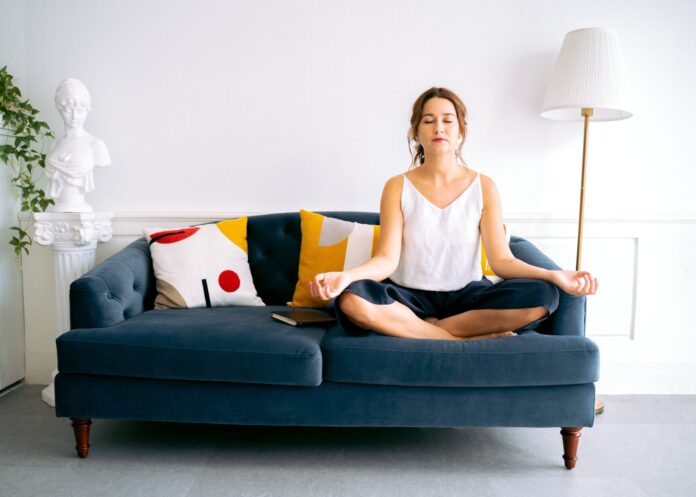
Your first guided meditation does not need special equipment, a silent retreat, or a perfectly calm mind. It needs a quiet corner, a few minutes of your time, and a recording that gently tells you what to do. This walkthrough covers each step in the order you will need it, from preparing your space to closing your session, so you can sit down tonight and try it without guessing.
Table of Contents
- What You Need Before You Begin
- Step 1: Choose a Quiet Spot
- Step 2: Get Into a Comfortable Position
- Step 3: Pick a Guided Recording
- Step 4: Follow the Voice and Notice Your Breath
- Step 5: Handle a Wandering Mind
- Step 6: Adjust for Chairs, Beds, and Your Body
- Step 7: Close the Session Gently
- Frequently Asked Questions
- Your Next Step
What You Need Before You Begin
Most guided meditation needs very little preparation. You will want a device with headphones or a speaker, a timer or the recording’s built-in length, and a spot where you will not be interrupted for the next few minutes. Many beginners find that a short session works better than a long one, so it helps to decide on a length before you press play.
The table below gives a practical starting point. Think of these numbers as guides rather than rules, and move up or down based on how the session feels.
Step 1: Choose a Quiet Spot
Pick a place where you can sit for the full session without anyone asking you a question. A living room corner, a spare bedroom, or a spot near a window all work. If you can, reduce the obvious distractions before you start:
- Silence your phone or switch it to do not disturb.
- Close the door, or let people in your home know you need ten minutes.
- Dim the lights or turn off the overhead lamp.
- Keep a light scent or a small object nearby if it helps you feel settled, but do not make the space feel crowded.
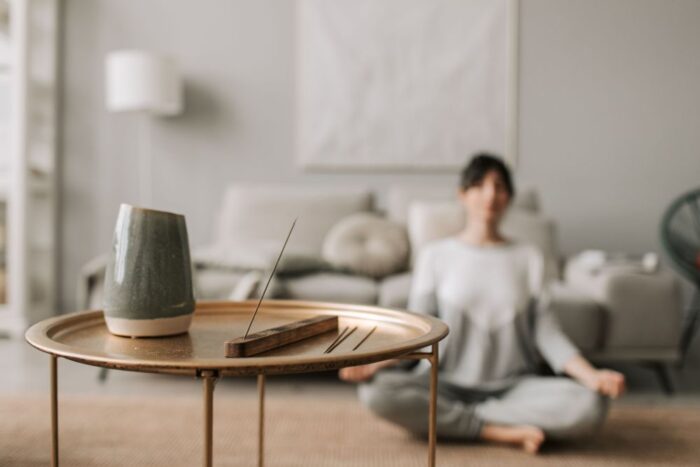
Some people like to light incense or open a window for fresh air. Neither is required. What matters is that the space feels consistent enough that your body starts to recognize it as the place where you pause.
Step 2: Get Into a Comfortable Position
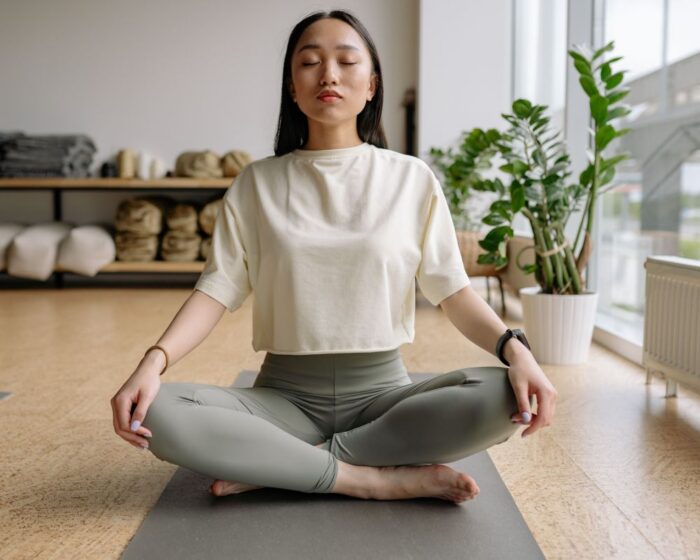
You do not need to sit in a perfect lotus pose. You need a position that you can hold for the whole session without fidgeting. Good options include:
- Sitting cross-legged on a yoga mat, folded blanket, or cushion.
- Sitting upright in a chair with both feet flat on the floor.
- Lying on your back with your arms relaxed by your sides, which is useful for body scans but may make you drowsy.
Whatever you choose, keep your spine reasonably upright without tensing your shoulders. Rest your hands on your thighs or in your lap, and let your jaw and face soften. If your lower back or knees start to hurt, shift before the discomfort becomes a distraction.
Step 3: Pick a Guided Recording
A guided meditation is a recording or live session where a teacher talks you through the practice. For a first attempt, look for a recording that is:
- Labeled “beginner” or “introduction” and lasts 5 to 15 minutes.
- Focused on breathing, body awareness, or a simple body scan.
- Narrated by a voice you find calming, not irritating or overly energetic.
- Free of background music that pulls your attention away from the instructions.
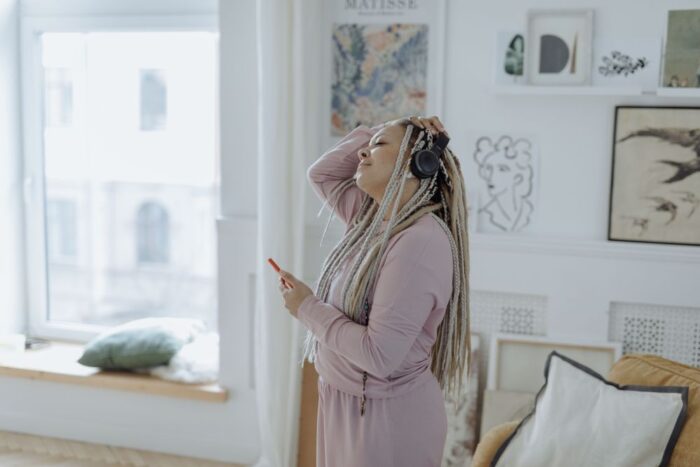
Free options are easy to find through meditation apps, public health websites, and video platforms. If you live in Australia and want to explore local or structured sessions, searching for meditation for beginners sydney can show you short, introductory options designed for people with no experience. Whichever you choose, put on headphones if you can. They block out room noise and make the voice feel closer, which often helps first-time listeners stay with the guidance.
Step 4: Follow the Voice and Notice Your Breath
Once the recording starts, your job is simple: follow the instructions. Most beginner sessions begin by asking you to notice the breath, feel the body against the surface beneath you, or count slow breaths. You do not need to force a deep breath or change how you normally breathe. Just observe it.
The NHS guide to meditating for beginners suggests focusing on the breath while silently noting “breathe in” and “breathe out,” which gives your attention a simple anchor. If the recording does not use words, you can still follow the same idea by paying attention to the sensation of air at your nostrils or the rise and fall of your chest.
Expect a few moments of restlessness, and do not judge them. Many people feel slightly silly in the first minute. That feeling usually fades once the voice settles into a rhythm.
Step 5: Handle a Wandering Mind
Your mind will drift. This is the most common experience for first-time meditators, and it is not a sign that you are doing it wrong. Each time you notice you have wandered, the practice is working. The moment of noticing is the repetition.
When your thoughts take over, try this simple loop:
- Notice the thought without following it into a story.
- Label it briefly, such as “planning” or “worrying,” if that helps.
- Return to the voice, the breath, or the body sensation the recording mentioned.
- Repeat as often as needed, without frustration.
Health researchers at the National Center for Complementary and Integrative Health note that meditation is generally considered safe for healthy people, but that people with mental or physical health conditions should speak with a health care provider before starting. If meditation brings up strong anxiety or distress, stop the recording and check in with a professional.
Step 6: Adjust for Chairs, Beds, and Your Body
Not everyone has a yoga mat or a floor space they enjoy sitting on. The practice still works if you adapt it. A few practical adjustments make a difference:
- Use a chair with back support if sitting on the floor causes knee or hip pain.
- Avoid lying in bed if you are likely to fall asleep. A seated position is better for most first sessions.
- Place a cushion behind your lower back for support if you feel your posture slumping.
- Keep a blanket nearby if you tend to feel cold once you stop moving.
If you do prefer a bed, sit up with pillows behind you rather than lying flat. You can still follow the recording, and you may find it easier to settle in this more familiar setting.
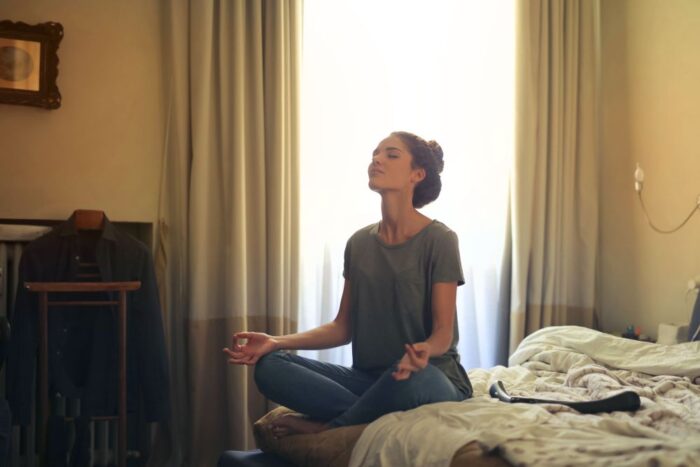
Step 7: Close the Session Gently
Most guided sessions end with a short closing phrase and a prompt to open your eyes. Resist the urge to jump up as soon as the voice stops. Take a moment to notice how your body feels, how your breathing has changed, and whether your thoughts feel quieter.
Before you get up, you might try these steps:
- Stay seated for thirty to sixty seconds with your eyes closed.
- Gently open your eyes and let them adjust to the light.
- Stretch your fingers, neck, and shoulders slowly.
- Write down one word that describes how you feel, if you want to track your progress.
Frequently Asked Questions
How long should my first guided meditation be?
Five to ten minutes is a good starting point. Short sessions are easier to repeat, and you can increase the length once the practice feels more natural.
Do I need to clear my mind completely?
No. The goal is to notice when your attention drifts and gently bring it back. A busy mind is normal, even for experienced practitioners.
Is it better to meditate in the morning or evening?
Either can work. Mornings can set a calm tone for the day, while evenings can help you release tension before sleep. Choose the time you are most likely to keep.
What if I feel anxious during a session?
Open your eyes, stop the recording, and take a few normal breaths. If anxiety or distress continues, speak with a qualified health professional before continuing.
Your Next Step
Your first session is less about getting it right and more about showing up. Pick one time of day, choose a short recording, and repeat it a few times this week. Over time, the steps in this walkthrough will start to feel automatic, and the quiet corner you set up will become a place your mind recognizes as a pause. When you are ready, try a slightly longer session or a different style of guidance and see what changes.