
Home Blog

Why Fostering is More Than Just a Place to Live

Source: tfifamily.org

The decision to become a foster carer is perhaps one of the most significant life choices an individual or couple can make.

It is a path defined by compassion, resilience, and an unwavering commitment to a child who needs stability.

While many people are familiar with the term foster care, the full scope of what it entails, and the transformative impact it has, often goes unrecognised.

It is far more than simply providing a roof and three meals a day; it is about offering a temporary but vital lifeline to vulnerable young people.

Understanding the Call for Stability

Source: humanium.org

Children enter the fostering system for a complex array of reasons, typically when their immediate family environment is no longer deemed safe or suitable by local authorities.

These situations are rarely straightforward and may involve parental illness, neglect, or other family crises.

For a child, being removed from their familiar surroundings, even if those surroundings were harmful, is an acutely traumatic experience.

This is where the role of the foster carer becomes pivotal. They must act as a safe, nurturing anchor during a period of intense upheaval.

The initial period following a placement is often the most challenging.

The child is navigating a new home, new rules, and new people, all while processing significant emotional distress.

A skilled and empathetic foster parent provides a stable framework, helping the child to re-establish a sense of normality and predictability.

They work tirelessly to understand the child’s individual history and needs, often requiring patience and understanding far beyond the usual demands of parenting.

The ability to offer unconditional positive regard, even when faced with challenging behaviours, is a hallmark of successful fostering.

The Practicalities of Becoming a Foster Carer

Source: rollercoaster.ie

The journey to becoming a carer is thorough and deliberately extensive, designed to ensure that both the prospective carers and the child are protected and supported.

It begins with an initial enquiry, followed by a meticulous fostering assessment process.

This assessment is not meant to be an interrogation, but rather a reflective journey that helps the applicants and the fostering agency understand their capacity to meet the diverse needs of children in care.

During the assessment, key areas are explored, including the applicant’s personal history, their support network, the suitability of their home environment, and their understanding of child development and attachment.

This process often feels lengthy, but it is essential for matching the right carers with the right children.

Training is an integral part of this stage, equipping future carers with the skills to handle situations they may encounter.

This includes understanding the impact of trauma, managing challenging behaviours, and working effectively with social workers and other professionals.

Agencies are there every step of the way, providing guidance and continuous professional development.

For those keen to understand the specifics of the process and the support available, particularly concerning what is fostering?, leading experts in the field have put together comprehensive resources.

The Different Faces of Fostering

Source: independent.co.uk

Fostering isn’t a single, monolithic activity; it encompasses several forms, each tailored to a specific need.

Short term fostering might involve a child staying for a few days or several months, until a clear plan for their future, such as returning home or moving to a permanent care setting, is established.

Conversely, long term fostering provides a child with a family environment for many years, often until they reach adulthood, offering the continuity and security that is so crucial for healthy development.

There are also specialist roles, such as respite care, which provides short breaks for other foster families, or fostering for unaccompanied asylum-seeking children.

Each type requires a slightly different approach, but the core requirement remains the same: a secure, loving home.

The impact of this dedication is profound; it can alter the trajectory of a young person’s life, transforming fear and uncertainty into hope and self-belief.

It requires the carer to act as an advocate, ensuring the child’s voice is heard in all decisions that affect them, from education to healthcare.

Support and the Fostering Community

While the emotional rewards are immense, it is essential to recognise that fostering can be demanding. No foster carer is expected to navigate this journey alone.

Reputable fostering agencies provide a robust network of support, which is critical for the well-being of the carer and the child.

This support typically includes a dedicated supervising social worker, regular support groups, out-of-hours assistance, and ongoing, specialised training.

The sense of community among carers is also invaluable.

Sharing experiences and advice with others who truly understand the unique challenges of the role can prevent feelings of isolation.

This comprehensive support structure ensures that, even on the toughest days, help and guidance are readily available.

Ultimately, the act of fostering is a significant contribution to society, offering vulnerable children a chance to heal, grow, and thrive.

It is an act of genuine selflessness that shapes futures.

What Percentage of U.S. Students Study Fully Online in 2025?

Source: onlinestudy.brunel.ac.uk

In 2025, roughly one in four U.S. college students, about 25% study fully online. That means these students complete all of their coursework through digital platforms, without ever setting foot in a traditional classroom.

This percentage represents the lasting transformation of American higher education after the pandemic, where online learning evolved from an emergency measure into a permanent, mainstream pathway.

The evolution of online learning has not only reshaped how students study but also how educational institutions are governed and financed. Increasingly, universities are appointing Non-Executive Directors (NEDs) to provide independent oversight and strategic direction for their digital expansion. These professionals often bring experience from finance, technology, and policy, bridging the gap between academia and corporate governance.

Firms such as Ned Capital specialize in connecting organizations with skilled Non-Executive Directors who understand sustainable investment and long-term digital transformation. This professional guidance ensures that universities scale responsibly, balancing innovation with accountability as they grow their online divisions.

While the growth of hybrid models has slowed, fully online programs continue to attract working adults, military personnel, and students in rural areas who want flexibility without sacrificing quality.

Source: online.southampton.ac.uk

The Shift From Temporary Solution to Permanent Structure

Five years ago, “online learning” was still treated as a niche alternative. Then came 2020, and the largest educational experiment in modern history.

By 2021, according to the National Center for Education Statistics (NCES), over 28% of undergraduates in the U.S. were already taking classes exclusively online. As campuses reopened, many institutions expected that number to fall. It didn’t.

By 2023, NCES reported that 53% of all college students took at least one online course, and roughly 15–25% studied fully online.

The trend stayed strong because of structural reasons: universities invested heavily in digital platforms, employers became more accepting of online degrees, and students discovered that distance learning allowed them to balance jobs, family, and education.

2025: Where the Numbers Stand

While exact nationwide figures for 2025 are still being finalized, projections and enrollment reports from higher-education analytics firms like HolonIQ and BestColleges paint a consistent picture.

Metric 2019 (Pre-Pandemic) 2021 (Pandemic Recovery) 2023 (Stabilization) 2025 (Estimated)
Students taking at least one online course 36% 59% 53% ~55%
Students studying fully online 15% 28% 24–26% ~25%
Online degree market value $36 B $61 B $68 B $74 B

These figures show that the “fully online” student population has plateaued at about a quarter of total enrollment, not exploding, but becoming a steady pillar of U.S. higher education. That stability signals that online study has matured into a permanent mode rather than a temporary spike.

Source: blog.herzing.ca

Why the 25% Figure Makes Sense

A 25% share aligns with several underlying demographic and technological shifts:

  1. Age and Employment Patterns:
    The typical online student in 2025 is around 27–35 years old and works at least part-time. They value asynchronous classes and flexible deadline options that traditional colleges can’t easily provide.
  2. Geographic Accessibility:
    Many Americans live in counties with no four-year university within commuting distance. For them, online programs effectively expand access to higher education without relocation costs.
  3. Institutional Expansion:
    Nearly every major university, from Arizona State to Purdue and the University of Florida, now runs a dedicated online division. Collectively, these programs enroll millions and dominate the adult-learner segment.
  4. Technological Infrastructure:
    Learning management systems like Canvas, Blackboard Ultra, and Coursera for Campus now support seamless video lectures, adaptive quizzes, and proctored testing, making digital education far more credible than a decade ago.

Who Studies Fully Online?

Not all online learners are alike. The profile has diversified considerably since 2020.

Category Typical Age Motivation Common Majors Average Enrollment Type
Working adults 30–45 Career advancement Business, IT, Nursing Full-time online
Recent high-school graduates 18–22 Cost or location flexibility Psychology, Communications, General Studies Part-time online
Military and veterans 25–40 Mobility, schedule control Cybersecurity, Criminal Justice Full-time online
Parents or caregivers 28–40 Family balance Education, Healthcare, Business Full-time or part-time
International students 20–30 U.S. diploma access Computer Science, Business Full-time remote

Online learning has also opened new pathways for first-generation college students and those from low-income backgrounds, as travel and housing costs are eliminated.

Source: online.uj.ac.za

The Rise of Hybrid and HyFlex Models

While 25% of students now study fully online, another 30% or more are enrolled in hybrid programs, often called HyFlex (Hybrid-Flexible). These allow students to choose weekly between in-person and online attendance. Universities have discovered that this approach keeps classrooms full while accommodating diverse schedules.

According to Inside Higher Ed’s 2024 Digital Learning Report, nearly two-thirds of public universities now offer at least one HyFlex degree program. This means that even students who aren’t “fully online” still experience the benefits of digital learning, recorded lectures, interactive discussion boards, and online submissions, blurring the old boundary between online and traditional formats.

This evolution has also expanded the role of the online graduate school. Many professionals now prefer to pursue master’s degrees remotely while working full-time, allowing them to apply what they learn directly in real-world settings.

Graduate schools have adapted by introducing modular online programs, stackable credentials, and flexible credit transfers. As a result, online graduate enrollment has grown faster than undergraduate online programs for the third consecutive year.

Source: interlink.edu

How Employers View Fully Online Degrees in 2025

Employer skepticism about online degrees has sharply declined. A 2024 survey by Northeastern University’s Center for the Future of Higher Education and Talent Strategy found that 71% of U.S. hiring managers consider an accredited online degree as credible as an on-campus one, provided it comes from a known institution.

That’s a seismic shift from 2015, when fewer than half of employers said the same. The reason: online graduates tend to demonstrate self-discipline, time management, and digital communication skills, qualities highly valued in modern workplaces.

Economic Impact and Institutional Adaptation

Online education is now a $74-billion industry in the United States. Universities earn steady revenue from out-of-state online students without the cost of dorms or new buildings. For example:

University Estimated Online Enrollment (2025) Tuition Revenue Share from Online Programs
Southern New Hampshire University (SNHU) 170,000+ 98%
Western Governors University (WGU) 150,000+ 100%
Arizona State University (ASU Online) 85,000 30%
Purdue University Global 45,000 40%
Liberty University Online 100,000 90%

These institutions pioneered large-scale online learning and now dominate the sector. Their success stories have pushed traditional universities to catch up; even Ivy League schools like Harvard and Columbia now offer stackable online master’s degrees and micro-credentials.

The Bottom Line

In 2025, about 25% of U.S. students study fully online, while another 30–35% participate in some form of hybrid learning. What began as a forced experiment has become a core feature of American higher education. Online learning isn’t just an alternative; it’s the default mode for millions who want affordable, flexible, and career-aligned education.

The U.S. education system has entered an age of digital permanence. Classrooms now stretch beyond walls and time zones, and the students sitting in them, virtually, are redefining what college really means in the twenty-first century.

Unlock Sustainable Growth with Greenly

Unlock Sustainable Growth with Greenly
Source: techcrunch.com

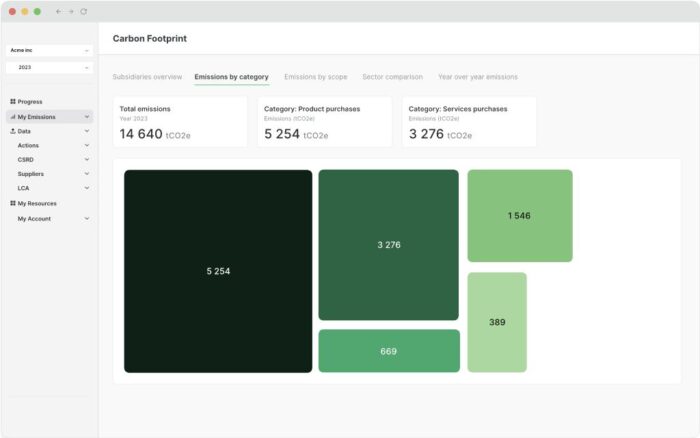
In today’s fast-changing business world, being sustainable is more than just a trend. It’s becoming a key factor in how successful a company can be over time. Businesses everywhere are feeling the pressure to reduce their carbon emissions and show a real commitment to the environment. This is where Greenly steps in. In this article, we’ll explore how you can unlock sustainable growth with Greenly by using their innovative carbon management platform. We’ll talk about what Greenly offers, how it works, and how it helps companies meet regulations, reduce emissions, and grow responsibly.

Why Sustainability Drives Business Growth

Sustainability Drives Business Growth
Source: academy.smu.edu.sg

Sustainability isn’t just about protecting the planet anymore; it’s also a way for companies to grow smarter and faster. Customers today care about where products come from and how companies treat the environment. Investors are also looking for businesses that can manage risks, especially environmental ones. By putting sustainability at the center of your business, you’re not only doing the right thing but also creating new opportunities. Sustainable companies often attract more customers, reduce long-term costs, and build a stronger brand. And with tools like Greenly, making these changes is easier than ever.

What is greenly and How Does It Work?

Greenly is a carbon management platform that helps businesses measure, reduce, and report their carbon emissions. The platform uses smart technology to automate the process of carbon tracking. Instead of spending hours collecting and calculating data manually, businesses can connect their financial and operational tools directly to Greenly. The system then analyzes the data and gives you a full view of your carbon footprint. It’s designed to be easy to use, even if you don’t have a background in sustainability. From tracking emissions to planning reductions and creating reports, Greenly covers all the essentials.

Greenly is a carbon management platform

Measuring Your Carbon Footprint with Ease

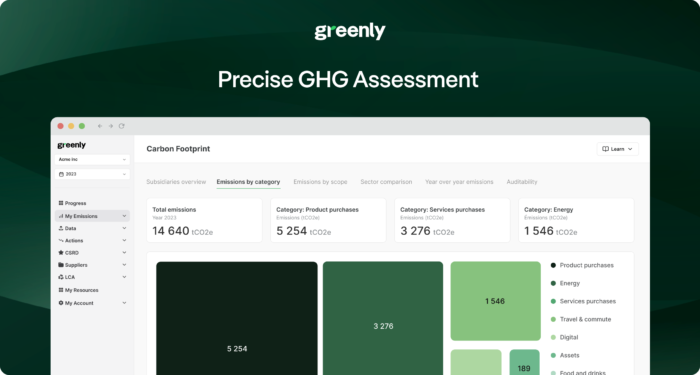
One of the biggest challenges companies face is understanding their carbon footprint. Greenly makes this process simple and accurate. By connecting your existing tools like QuickBooks or Xero, the platform pulls in the necessary data and calculates your emissions automatically. You don’t need to be an expert in environmental science to understand the results. The dashboard is clear and visual, showing where your emissions come from and what areas need improvement. This makes it easier to take the next steps with confidence.

Green Compliance: Navigating Climate Regulations

Keeping up with climate laws can feel overwhelming, especially with new rules being introduced around the world. Regulations like the Corporate Sustainability Reporting Directive (CSRD) and the SEC climate disclosure rules require companies to provide detailed emissions data. Greenly helps simplify this process by offering tools that automatically prepare reports aligned with current regulations. These reports are not only audit-ready but also clear and professional. Businesses can avoid fines, reduce risks, and stay ahead of legal changes by relying on Greenly’s compliance features.

From Reports to Results: Data-Driven Decision Making

Having data is useful, but knowing how to use it is even more powerful. Greenly doesn’t just give you numbers, it helps you understand what they mean. With real-time dashboards and customized benchmarks, businesses can spot trends, set goals, and track progress. The platform makes it easy to compare performance over time and with others in your industry. By turning reports into action, companies can make smarter decisions that lead to real improvements in both sustainability and business results.

Empowering Teams with Expert Climate Support

Technology is important, but having real people to guide you makes a big difference. Greenly offers support from experienced climate experts who can help you build a tailored strategy. Whether you’re just starting or already have a plan, their team can guide you through the steps. They also help train employees, making sure everyone in the company understands their role in sustainability. Having this kind of support helps businesses move faster and with more confidence.

Decarbonizing Your Supply Chain

Decarbonizing Your Supply Chain
Source: tracextech.com

A company’s supply chain is often where most of its emissions come from. Greenly provides tools to evaluate your suppliers and understand their carbon impact. You can invite them to join the platform, collect data from them, and work together to find cleaner solutions. This kind of collaboration doesn’t just reduce emissions; it also builds stronger relationships with responsible partners. Over time, this can lead to a more efficient and ethical supply chain that supports your sustainability goals.

Integration with Your Existing Tech Stack

One of Greenly’s biggest strengths is how easily it fits into your existing systems. You don’t need to overhaul your business tools to use them. It connects with your accounting software, HR tools, and other platforms you already use. This means less time setting things up and more time getting useful insights. Because of this flexibility, companies can get started quickly and scale their efforts without heavy IT investment.

Boosting Your ESG Reporting Capabilities

environmental social and corporate governance esg
Source: jurisiti.com

Environmental, Social, and Governance (ESG) reporting is becoming more important for companies that want to attract investors and meet stakeholder expectations. Greenly helps generate detailed and customizable ESG reports that are easy to understand and share. These reports can be used to show progress, gain support from partners, and build public trust. With Greenly, companies don’t just talk about sustainability, they can prove it.

Greenly’s Role in Carbon Offset Strategies

While reducing emissions is the main goal, sometimes it’s not possible to eliminate everything right away. That’s where carbon offsets come in. Greenly helps businesses find and invest in high-quality offset projects that match their values. These might include reforestation, clean energy, or community programs. It’s important to choose offsets that are credible and make a real difference, and Greenly guides companies in making the right choices.

Real Success Stories: Companies Growing with Greenly

Thousands of companies have already used Greenly to reduce their carbon impact and grow responsibly. From startups to large corporations, many businesses have seen real results. They’ve improved their environmental scores, saved money, and strengthened customer relationships. These success stories show that sustainable growth isn’t just possible, it’s happening now.

Is Greenly Right for Your Business?

Is Greenly Right for Your Business
Source: g2.com

Not every business is at the same stage in its sustainability journey. Some are just beginning, while others are ready to take things further. Greenly is flexible enough to support both. Whether you’re looking to measure your emissions for the first time or expand your climate strategy, the platform has tools to help. It grows with your business, giving you what you need when you need it.

Wax to Flame: The Art and Craft of Candle Making

Art and Craft of Candle Making
Source: alilahotels.com

Candle making is an age-old craft that blends art, science, and creativity into one delightful process. From the soothing flicker of a candle’s flame to the captivating scent that fills the air, candles have a unique way of transforming the ambiance of a room. Whether you’re lighting up your home for a cozy evening or setting the mood for a special occasion, the journey of a candle from wax to flame is an intriguing and rewarding process.

Today, many people are exploring the art of candle making at home, while others opt for convenient options like a candle shop online to find beautifully handcrafted products.

The Basics of Candle Making

Candle Making
Source:youtube.com

At its core, candle making involves a few simple steps: melting wax, adding fragrance and color, and then pouring the wax into a mold or container. The key to creating a high-quality candle lies in the selection of wax, wicks, and fragrances, as well as in the careful control of temperature during the process.

The main thing that decides how well a candle burns, how far its scent travels, and how it looks overall is the wax. Candles are made from different kinds of wax, such as paraffin, soy, beeswax, and palm. Due to its clean burn and eco-friendliness, soy wax has become popular. This is why many people like to make their own candles with it. Paraffin wax, on the other hand, is used a lot but has been looked at to see how it affects the environment. If you want a natural alternative, beeswax is a great choice. It has a light honey smell and burns for a long time.

Choosing the Right Wick

The wick is just as important to the candle’s performance because it makes sure the candle burns evenly and correctly. Wicks are made of cotton, wood, hemp, and other materials, and come in different forms. To make sure the candle burns evenly and avoid problems like tunneling or too much soot, the wick should be the right size for the light. If the wick is too big, the candle might burn too fast, and if it’s too small, it might not make enough heat to melt the wax properly.

Because they burn clean, wicks made from natural materials like cotton are often chosen. If you like a more rustic look, wood lights are a great choice. They make a soft crackling sound that reminds you of a fire. More and more candle lovers are buying these wicks, which you can often find in an online candle shop along with more standard cotton wicks.

Adding Fragrance and Color

fragrance and color of candle
Source: blog.lafco.com

One of the most appealing aspects of candle making is the ability to customize the fragrance and color of the final product. When adding fragrance oils to the wax, it’s important to do so at the right temperature to ensure the scent fully bonds with the wax. The general rule is to add fragrance when the wax has cooled slightly to around 170-180°F (77-82°C). This allows the fragrance to be incorporated properly and results in a stronger scent throw once the candle is lit.

Colors can also be added to candles through specially designed dye chips or liquid dyes. The color of the candle not only adds a decorative touch but also influences the mood and setting of the space. From soft pastels for a calming atmosphere to vibrant hues for a festive mood, the color palette of candles can be as varied as the scents they carry.

Pouring the Wax and Letting It Set

Once the wax has been melted and the fragrance and color added, the next step is to pour the wax into a mold or container. This part of the process requires patience and precision. Pouring the wax too quickly can cause air bubbles to form, which may lead to imperfections in the final product. It’s also essential to allow the wax to cool and solidify properly. For container candles, this can take a few hours. During this time, it’s advisable to ensure the wick is centered to prevent the candle from burning unevenly.

The Final Touches

Once the candle has cooled and hardened, it’s time to trim the wick to an optimal length of around ¼ inch (6mm). This helps prevent the wick from burning too quickly or creating excessive soot. Some candle makers also opt to add finishing touches, such as decorative labels, glitter, or other embellishments, to personalize the candles further.

While many enjoy the process of crafting their own candles at home, others prefer the convenience of purchasing candles from a candle shop online. These online shops sell a lot of different, hand-made, high-quality candles. Many of them have beautiful designs and scents that are hard to find at home. Shopping online also provides the opportunity to explore a variety of waxes, wicks, and fragrances, giving customers the chance to select products that fit their personal style and preferences.

Conclusion

Candle making is more than just a craft—it’s a form of self-expression. Whether you choose to create your own candles at home or purchase them from a candle shop online, the process of bringing a candle from wax to flame can add a special touch to any space. The artistry involved in choosing the right materials and creating the perfect scent creates an ambiance that enhances our daily lives so, whether you’re lighting a candle to unwind after a busy day or giving it as a thoughtful gift, the beauty of candle making lies in its ability to turn simple wax into a source of warmth, light, and inspiration.

Bard SummerScape ─ A Renaissance of Forgotten Operas

Source: wikipedia.org

In the heart of New York’s Hudson Valley, Bard College’s annual SummerScape festival has become a mecca for opera enthusiasts seeking rare and overlooked masterpieces. Under the artistic direction of Leon Botstein, Bard’s long-serving president, this year’s festival presented two ambitious productions that exemplify the event’s commitment to reviving neglected works: Giacomo Meyerbeer’s “Le Prophète” and Hector Berlioz’s “La damnation de Faust.”

Grand Opera Resurrected ─ “Le Prophète”

Source: fishercenter.bard.edu

Meyerbeer’s “Le Prophète,” absent from major U.S. stages since the Metropolitan Opera’s performances in 1977 and ’79, made a triumphant return at Bard’s Fisher Center. Botstein, known for his dedication to musical archaeology, remarked, “There is no composer in the history of classical music and opera whose posthumous career has been so startlingly destroyed as Meyerbeer.”

The production featured a stellar cast, with Robert Watson as Jean, Jennifer Feinstein as Fidès, and Amina Edris as Berthe. Director Christian Räth reimagined the 16th-century setting for modern times, noting, “The piece unfortunately, feels very, very modern and rings a lot of bells for today.”

A notable aspect of this revival was Botstein’s collaboration with musicologist Mark Everist to restore an 11-minute overture cut during the original rehearsals, offering audiences a more complete version of Meyerbeer’s vision. This attention to historical detail, balanced with contemporary staging, brought new life to a work long considered a cornerstone of the operatic repertoire.

Berlioz’s Hybrid Masterpiece ─ “La damnation de Faust”

Closing the festival was Berlioz’s “La damnation de Faust,” a work that defies traditional categorization. Dubbed by the composer as a “Dramatic Legend in Four Parts,” this piece blends elements of symphony, opera, and cantata, showcasing Berlioz’s innovative approach to musical storytelling.

The production featured Joshua Blue as a touching and affecting Faust, matched by Alfred Walker’s slyly conniving Mephistopheles. Sasha Cooke brought her “radiant mezzo-soprano” to the role of Marguerite, shaping an innocent and compelling character. Stefan Egerstrom, in the small but pivotal role of Brander, “made the most of his tavern song about a rat, creating a funny and musically beautiful moment.”

Botstein, conducting the American Symphony Orchestra, navigated both the light and dramatic demands of Berlioz’s score with skill and power. The Bard Festival Chorale, directed by James Bagwell, demonstrated remarkable precision and versatility, adapting beautifully to the score’s shifting tones and moods.

A Challenging Undertaking

Source: moscow.theatrehd.com

Staging these rarely performed operas presents unique challenges, which Botstein and his team at Bard seem to relish. “La damnation de Faust,” with its expansive use of chorus and symphonic sections, is notoriously difficult to present. Similarly, “Le Prophète” requires a deep understanding of 19th-century French opera style and the technical capabilities to bring its grand vision to life.

The Fisher Center, with its distinctive Frank Gehry-designed exterior and superb acoustics, provided an ideal setting for these ambitious productions. The venue’s state-of-the-art facilities allowed for the full realization of the composers’ visions, from the intimate moments to the most grandiose scenes.

Looking Ahead

Bard’s commitment to operatic exploration, driven by Botstein’s vision, shows no signs of waning. Next year’s SummerScape will feature Smetana’s rarely performed “Dalibor,” continuing the festival’s tradition of bringing overlooked masterpieces to light.

As each summer brings new discoveries to the stage at Bard, the festival cements its reputation as a vital laboratory for operatic revival. By consistently choosing works that challenge conventional programming and showcase the depth and breadth of the operatic repertoire, Botstein and the SummerScape team are not only preserving our cultural heritage but also demonstrating the enduring relevance of these works in addressing the complexities of the human experience.

For opera lovers seeking to venture beyond the standard repertoire, Bard’s SummerScape offers a unique opportunity to hear what might have been lost to history, brought back to life in the picturesque setting of the Hudson Valley. As the curtain falls on this year’s productions, anticipation already builds for next summer’s operatic rediscoveries, guided by Botstein’s unwavering commitment to musical exploration.

The Impact of Office Desk Placement on Your Workflow

Source: autonomous.ai

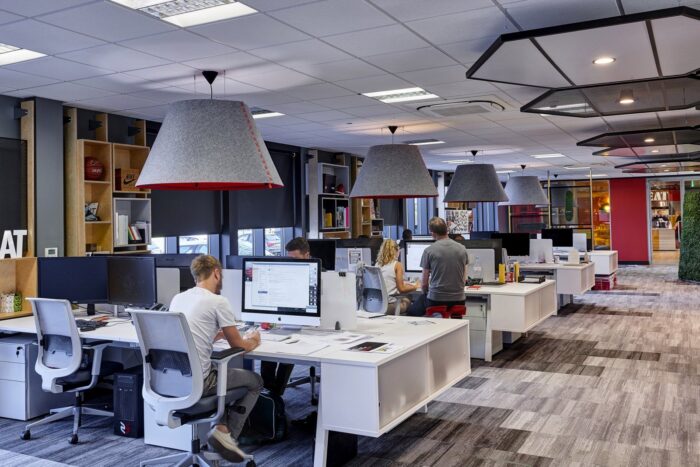
The placement of your office desk can significantly influence your workflow, productivity, and overall job satisfaction. Thoughtful desk arrangement, along with other office furniture, can enhance focus, reduce distractions, and create a more efficient working environment.

Here, we explore the various factors to consider when positioning your desk and how it can positively impact your workday.

1. Ergonomics and Comfort

Optimal Desk Height

Ensuring your office desk is at the correct height is crucial for maintaining good posture and preventing discomfort. A desk that is too high or too low can lead to strain on your neck, shoulders, and back. Ideally, your desk should allow your forearms to rest comfortably at a 90-degree angle when typing, with your feet flat on the floor.

Proximity to Essential Office Furniture

Position your desk close to essential office furniture, such as filing cabinets, printers, and bookshelves. This reduces the time spent getting up and moving around, thereby maintaining your workflow and minimizing disruptions. Keeping frequently used items within arm’s reach helps streamline tasks and boosts efficiency.

2. Natural Light and Views

Source: autonomous.ai

Maximizing Natural Light

Natural light is a key factor in enhancing productivity and mood. Positioning your desk near a window can provide a steady stream of natural light, reducing the reliance on artificial lighting and creating a more pleasant work environment. However, avoid placing your desk directly in front of or behind the window to prevent glare on your screen.

Scenic Views

If possible, arrange your desk to face a window with a view. Looking out at nature or an interesting cityscape can provide a mental break, reduce eye strain, and improve overall well-being. A pleasant view can also inspire creativity and reduce feelings of stress and confinement.

3. Minimizing Distractions

Quiet Zones

Place your desk in a quieter part of the office to minimize noise distractions. Avoid high-traffic areas such as near the entrance, break rooms, or restrooms. A quieter location helps maintain focus and concentration, crucial for tasks that require deep thinking and minimal interruptions.

Facing Away from Distractions

If your office is in a bustling environment, position your desk so that you face away from distractions. This can include windows overlooking busy streets or open areas where colleagues frequently gather. Facing a wall or using partitions can create a more secluded and distraction-free workspace.

4. Workflow Efficiency

Source: dlaplus.com

Easy Access to Technology

Ensure that your desk placement allows for easy access to electrical outlets, internet connections, and other technological necessities.

Efficient cable management can prevent a tangled mess and reduce the risk of accidents. Having your technology easily accessible keeps your workspace tidy and functional.

Collaborative Spaces

If your work requires frequent collaboration, consider placing your desk near common areas or meeting rooms. This facilitates easier communication with colleagues and quick access to collaborative spaces without disrupting others. For those who often work in teams, proximity to these areas can significantly enhance workflow.

5. Personalization and Comfort

Personalized Space

Your desk is your personal workspace, and its placement should reflect your needs and preferences. Add personal touches, such as photos, plants, or artwork, to create a space that feels comfortable and motivating. A well-personalized desk can boost morale and make you feel more at ease during the workday.

Comfort Considerations

Ensure that your desk placement allows for proper ventilation and temperature control. Avoid placing your desk directly under air conditioning vents or heaters, as this can lead to discomfort. A well-ventilated and temperature-controlled workspace promotes comfort and productivity.

6. Office Layout and Design

Source: wilcoxofficemart.com

Open Plan vs. Private Offices

In an open-plan office, desk placement should consider the overall layout to balance collaboration and privacy. Desks can be arranged in clusters to facilitate teamwork or in rows to maximize space. In private offices, desk placement can be more flexible, focusing on personal comfort and efficiency.

Space Utilization

Effective use of space is essential for a functional office layout. Ensure that the placement of desks and other office furniture allows for easy movement and accessibility. A well-organized layout can improve the flow of the office, making it easier for employees to navigate and reducing the potential for congestion.

7. Safety and Accessibility

Clear Pathways

Maintain clear pathways around your desk to ensure safety and accessibility. This is especially important in case of emergencies, where quick evacuation might be necessary. Avoid clutter and ensure that cables and office supplies do not obstruct walkways.

Ergonomic Accessories

Source: autonomous.ai

Consider the addition of ergonomic accessories such as footrests, monitor stands, and keyboard trays to enhance comfort. Proper ergonomic support can prevent injuries and promote a healthier work environment. The strategic placement of these accessories in conjunction with your desk can optimize your overall setup.

The placement of your office desk, alongside other crucial office furniture, plays a pivotal role in shaping your workflow and overall work experience.

By considering factors such as ergonomics, natural light, minimizing distractions, and efficient use of space, you can create a workspace that promotes productivity, comfort, and well-being. Taking the time to thoughtfully arrange your desk can lead to a more enjoyable and efficient work environment.

Amy’s Kitchen Takes Home Freezie Award

Source: intersticearchitects.com

It ain’t easy getting a Freezie, but Amy’s Kitchen made the cut. As if there weren’t enough reasons to celebrate Amy’s Kitchen’s solid success in the frozen food industry, the vegetarian frozen food purveyor has been honored with a prestigious Freezie Award.

The popular food blog Simply Recipes launched the first Freezie Awards on National Frozen Food Day, March 6. The Freezie Awards recognize the best-tasting frozen food products. More than 200 items were tested by food professionals, including cookbook authors, registered nutritionists, and professional chefs. Every winning product costs less than $16 for a full meal.

Amy’s Kitchen’s Roasted Poblano Enchiladas snagged the Best New Frozen Vegetarian Main accolade.

“So honored to win a first-ever Freezie Award!” Amy’s Kitchen posted on its Instagram account.


View this post on Instagram


A post shared by Amy’s Kitchen (@amyskitchen)

The gluten-free, tree-nut-free, kosher meal is nestled in an organic corn tortilla and is chock-full of carrots, bell peppers, zucchini, and fire-roasted poblanos, paired with organic house-made tofu and blanketed with a blend of cheddar and Monterey Jack cheeses.

“We fold the tortillas by hand, cover them with our smooth, creamy poblano sauce and finish with a little extra cheese,” it states on amys.com. “As if you didn’t already love Mexican food enough.”

Sarah Crowder, the art director who is credited with visuals and design for the Freezie Awards, praised the winning dish: “It is so flavorful — it’s veggie-filled, and the poblano flavor is prominent in the sauce. I would buy this for my family.”

The Pancake Princess blogger Erika Kwee also expressed her appreciation for Amy’s Kitchen’s Roasted Poblano Enchiladas on simplyrecipes.com.

“With fresh flavor, great texture to the corn tortillas, and creamy sauce, this feels like a restaurant dish as opposed to a frozen meal,” Kwee described. “The tofu filling makes it feel hearty and satisfying as a meal.”

And Amy’s Kitchen is in good company. Some of the other frozen foods to capture Freezies include Banza Blueberry Protein Waffles, MìLà Pork Soup Dumplings, Genio Della Pizza The Bianca, Cappello’s Buttermilk Biscuits, Homebake 425°/:30 Homestyle Mac & Cheese, Homebake 425°/:30 Pulled Pork with BBQ Sauce, Yasso Fudge Chocolate Crunch, and Tillamook Neapolitan ice cream.

Amy’s Kitchen’s Road to the Freezie Awards

Source: just-food.com

The Amy’s Kitchen journey began with a simple idea: to provide tasty, vegetarian meals for those too busy to cook. From its humble beginnings, it has grown into a household name, offering a wide range of products — from frozen pizzas and entrees to soups and burritos — all made with organic ingredients and prepared with the same care and attention as homemade fare.

The Freezie Awards committee highlighted several factors contributing to Amy’s Kitchen’s win, including the use of quality ingredients and criteria based on taste, texture, nutritional value, and total appeal. For a product to be considered for a Freezies Award, it also had to have launched sometime last year and be available nationwide.

The success of Amy’s Kitchen and its recognition by the Freezie Awards demonstrate that delicious, convenient food with organic options is possible.

As Amy’s Kitchen continues to innovate and lead by example, its Freezie Award win is a milestone that underscores the company’s role in shaping the future of food for the better.

Myo Quinn, Simply Recipes’ associate editorial director, appeared on CBS Mornings to explain the awards and the winning foods.

“There has been a remarkable evolution in the frozen foods aisle,” Quinn told CBS. “For over 20 years, Simply Recipes has been a resource for busy home cooks that want smart, easy, and delicious weeknight dinner solutions, and that’s what we did with the frozen foods.

“Our editors are already huge fans of Amy’s Kitchen for their organic, vegetarian frozen foods so it was no surprise their new Roasted Poblano Enchiladas won. It tastes delicious. You can taste the corn in the tortillas, the sharp cheese. It’s not too spicy.”

Family Matters With Frozen Food

Quinn went on to express gratitude for the convenience of frozen food during economically challenging times.

“Frozen foods are an affordable way to feed families,” Quinn added. “They have a long shelf life, so it helps reduce food waste. All our products again are under $16 and many are under $8 to feed a family of four.

“And I can tell you, as a busy working mom of three, the greatest benefit of frozen foods is the gift of time when I can reach into my freezer for a meal that I feel really good about feeding my family in a fraction of the time it takes to make it from scratch. That is time I can spend with my kids.”

Being able to offer the opportunity for its customers to indulge in more family time is an essential ingredient to Amy’s Kitchen. Amy’s Kitchen’s co-founders Andy and Rachel Berliner started their business out of a need to feed their own growing family.

When Rachel Berliner was pregnant and in need of quick-prep organic, vegetarian cuisine, Andy Berliner was tasked with finding it at their local grocery store. When the options didn’t win over the couple’s taste buds, they decided to take matters into their own hands and whip up a vegetarian potpie. From that desire, Amy’s Kitchen came to be.

“We’ve always started from the very first day with this premise that every meal we serve should be good enough, taste good enough that we would serve it to our closest friends and family,” Amy’s Kitchen President Paul Schiefer says. “And the way to do that is by finding the highest quality ingredients, working directly with farmers and growers on varieties and processing techniques so we get the best thing to start with.”

In keeping with the family spirit, Amy’s Kitchen has launched family-size packs of its burritos, pad Thai, pesto tortellini, vegetable lasagna, and offers a family-size pack of its Freezie Award-winning Roasted Poblano Enchiladas.

“By building these bigger pack sizes, we’re able to bring new value to our consumers and make Amy’s work as a lunch or dinner solution for an entire family,” Schiefer says.

From Chaos to Order ─ Organizing Your Business the Smart Way

Source: blog.upal.com.my

In the daily whirlwind of running a business, it’s easy for things to spiral into disarray. Scattered paperwork, missed deadlines, and crossed wires inevitably lead to costly mistakes and frustration.

But it doesn’t have to be this way. Getting organized and implementing smart systems means you can restore order and promote a smoothly operating company.

Identify Your Obstacles

The first step is recognizing where breakdowns are occurring. Make a list of all the inefficiencies and bottlenecks plaguing your operations. This will highlight your biggest organizational needs and challenges requiring solutions.

It is also wise to get input from employees closer to certain processes. They will have sharp insights on the root problems and realistic ways to address them.

Explore Business Management Software

Source: blog.shift4shop.com

One of the most powerful tools for optimizing operations is an integrated business management software platform. The experts over at Modest explain that these comprehensive solutions allow you to sync and streamline all your core processes, like:

  • Customer management – Centralize customer data, communications, invoicing, and support requests in one database.
  • Project organization – Create clear task workflows, deadlines, shared file repositories, and team discussions about each project.
  • Supply & inventory tracking – Gain full visibility of inventory levels, orders, purchasing, warehousing operations, and more.
  • Financial administration – Link accounting, payroll, taxes, and reporting for seamless money management.

The best part is that information flows effortlessly between these various business components. No more copying data between separate systems or dealing with conflicting information.

Just be sure to choose software with all the functionality and customization ability to serve your specific processes rather than generic, limited programs.

Going Paperless for Efficiency

While on the topic of eliminating redundancies – it is time to ditch the file cabinets and paperwork in favor of secure, cloud-based document management.

Digitize invoices, contracts, employee records, and all other vital files into a centralized online repository. This prevents data loss from misplaced documents while also granting your team easy remote access as needed.

You can even configure document workflow rules for automated routing, approvals, archiving, and seamless integration with your other cloud-based systems.

Streamlining Team Coordination

Source: aleitacademy.co.za

Along with software and file sharing structures, you will also want a system for facilitating efficient team collaboration and communication.

Look for a project management tool that allows you to map out schedules, assign tasks with deadlines, monitor progress, and discuss details without endless email chains. Video conferencing and messaging apps enable clear real-time coordination between on-site and remote employees.

Establish Processes and Responsibilities

Even with all the latest technology, your efforts could falter without documented processes, roles, and responsibilities clearly defined across the organization.

Determine process workflows for key areas like sales, order fulfillment, customer support, content production, etc. Delineate tasks, approvals, handoffs, and ownership for each step along the way.

You will also want to establish company policies regarding data standards, information security, technology usage guidelines, chain of command, and any other governing principles. This consistency and transparency eliminate any confusion while driving accountability.

Ongoing Refinement and Optimization

Organizing your business isn’t a one-and-done endeavor. It is an ongoing practice of continually evaluating processes for potential improvements.

Gather feedback and track KPIs to isolate areas of lingering inefficiency or waste. Research solutions, tweak systems, and realign procedures for a relentless cycle of optimization.

Staying agile and evolving methods alongside your changing needs means you will foster an orderly, well-oiled business always operating at peak potential.

Source: myspacematters.com

Conclusion

The ultimate payoff is higher productivity, lower operating costs, improved customer satisfaction, and invaluable peace of mind knowing your company is running like a finely tuned machine. So start getting organized today and leave chaos in the rearview mirror.

How to Dress Your House to Sell: 10 Tips to Secure the Best Price

dress your house
Source: freepik.com

So, you’re ready to sell your home. Congratulations! Now comes the fun part—dressing it up to dazzle potential buyers and secure the best price possible. First impressions count, and making your house look its best can make all the difference. Here are some top tips to help you do just that!

1. Curb Appeal is Key

The exterior of your home is the first thing buyers will see, so make it count! Keep the garden tidy, add some colourful flowers, and give your front door a fresh coat of paint to welcome visitors with open arms.

2. Declutter and Depersonalise

house declutting
Source: freepik.com

Buyers want to envision themselves living in your space, so clear away any personal items and clutter. Think minimalist chic—less is more when it comes to staging your home.

3. Let There Be Light

Bright, airy spaces are irresistible to buyers. Open curtains and blinds to let in as much natural light as possible and add some strategically placed lamps to create a warm, inviting atmosphere.

4. Freshen Up with Paint

A fresh coat of paint can work wonders in transforming a tired-looking room. Stick to neutral colours to appeal to a wide range of tastes and make the space feel bigger and brighter.

5. Upgrade Your Flooring

If your carpets are looking worse for wear or your wooden floors have seen better days, consider investing in some new flooring. It’s a sure-fire way to add value and appeal to your home.

6. Spruce Up Your Kitchen and Bathroom

Spruce Up Your Kitchen
Source: freepik.com

Kitchens and bathrooms sell houses, so pay extra attention to these areas. Replace old fixtures, give cabinets a fresh lick of paint, and add some stylish accessories to create a modern, inviting look.

7. Replace the Rot

A smart investment that can make a big impact is replacing old wooden fencing with composite fencing. Not only does it look sleek and modern, but it’s also more durable and low maintenance, which is sure to impress potential buyers.

8. Create Inviting Outdoor Spaces

Make the most of any outdoor space you have by creating inviting areas for relaxing and entertaining. Invest in some stylish outdoor furniture, add some potted plants, and create a cosy atmosphere with outdoor lighting.

9. Pay Attention to Details

upgrade home details
Source: freepik.com

Little touches can make a big difference, so pay attention to details like replacing worn door handles, fixing dripping taps, and ensuring all light bulbs are working. It’s the small things that can really elevate the overall look and feel of your home.

10. Keep It Clean and Tidy

Last but certainly not least, always keep your home clean and tidy. You never know when a potential buyer might drop by for a viewing, so stay on top of cleaning chores and make sure everything is spick and span.

By following these tips, you’ll be well on your way to dressing your house to sell for the best price possible. Remember, presentation is key, so put in the effort now and reap the rewards later. Good luck!

How to Maximize Your Digital Marketing ─ 5 Tips for Success in 2024

Source: forbes.com

In today’s rapidly evolving digital landscape, staying ahead of the curve is more crucial than ever.

Digital marketing continues to be a critical tool for businesses seeking to expand their online presence and connect with more customers.

As we step into 2024, it’s vital to adapt and refine your strategies to keep pace with the changing trends.

Here are five essential tips to help you maximize your digital marketing efforts and ensure your business thrives in the coming year.

1. Embrace Data-Driven Decisions

Modern digital marketing is grounded in analytics. Utilizing tools like Google Analytics and social media insights allows you to understand your audience’s behavior and preferences.

By analyzing data on website traffic, engagement rates, and conversion paths, you can identify what works and what doesn’t. This informed approach enables you to allocate your budget and resources more effectively, focusing on strategies that deliver tangible results.

2. Optimize for Mobile

Source: allmywebneeds.com

A mobile-friendly website is essential for reaching your audience effectively. Responsive design ensures that your site looks great and functions well on all devices, from desktops to smartphones.

This not only improves user experience but also boosts your search engine rankings, as Google favors mobile-friendly websites in its search results.

Beyond design, consider the overall mobile user experience. This includes fast loading times, easy navigation, and clear calls to action. Ensure that your content is easily consumable on small screens and that forms are simple to complete. A positive mobile experience can significantly increase engagement and conversion rates.

3. Leverage Content Marketing

Content is the cornerstone of digital marketing. Creating high-quality, relevant content establishes your brand as an authority in your field and helps build trust with your audience.

Blog posts, videos, podcasts, and infographics can all be part of your content strategy. Focus on providing value and answering your audience’s questions to encourage engagement and shares.

4. Engage with Social Media

Source: kbmmediasolutions.com

Not all social media platforms are created equal. Choose the platforms where your target audience is most active and engaged. This could be Instagram, Facebook, LinkedIn, TikTok, or others depending on your industry and audience demographics. By focusing your efforts on the right platforms, you can maximize engagement and reach.

Social media is all about community. Create content that encourages interaction, such as polls, questions, or user-generated content campaigns. Engage with your followers by responding to comments and messages promptly. Building a community around your brand can lead to increased loyalty and word-of-mouth referrals.

5. Monitor and Adapt

Stay up-to-date with the latest digital marketing trends and technologies. Attend webinars, follow industry blogs, and join professional groups to keep your knowledge current. By being proactive and informed, you can adapt your strategies to leverage new opportunities and stay ahead of the competition.

Regularly review the performance of your marketing activities. Analyze what’s working and what’s not, and don’t be afraid to pivot your strategy accordingly. Testing different approaches and continuously refining your tactics based on results is essential for long-term success.


Source: linkedin.com

Conclusion

By following these five tips, you can enhance your digital marketing efforts and set your business up for success in 2024.

Embrace the power of data, optimize for mobile, leverage content marketing, engage with social media, and remain adaptable to change. With the right strategies in place, you can achieve remarkable results and drive your business forward in the digital age.

Why Fostering is More Than Just a Place to Live

0
The decision to become a foster carer is perhaps one of the most significant life choices an individual or couple can make. It is a...